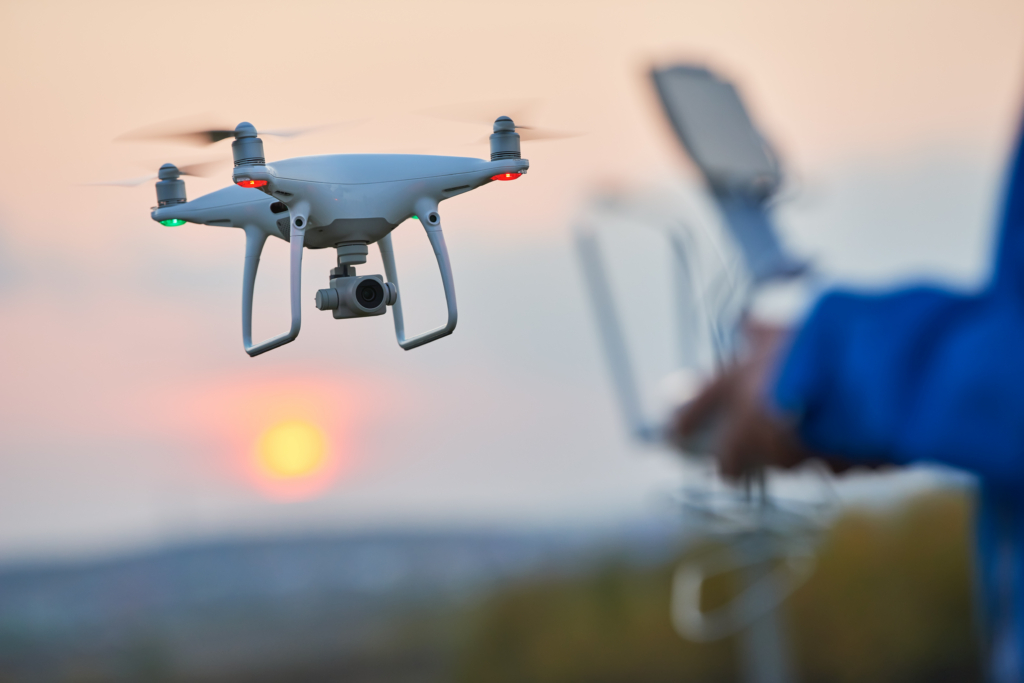
A drone near an airport can stop flights in minutes. It can be hard to find the drone and stop it safely.
On 11 September, someone reported a drone near Brussels Airport. Skeyes, the Belgian air navigation service provider, started its drone procedures. Runway operations stopped for 30 minutes after the last drone sighting.
There was no reported collision. But a drone near a runway or an aircraft can be a serious danger.
What happens when someone reports a drone?
First, airport teams need to know what the person saw and where the drone is.
The report can come from a pilot, an air traffic controller, an airport worker or a member of the public. Airport teams and air traffic controllers check the situation. Then they decide if flights can continue safely.
Aircraft may have to wait. Departures may be delayed, or runway operations may stop.
At Brussels, runway traffic stops for a set time after the last sighting. Skeyes and air traffic control check that it is safe to start flights again.
How do airports detect drones?
Airports can use radar, radio-frequency sensors and cameras. Radio-frequency sensors detect radio signals from drones. These systems help teams find and track drones.
But airports are busy places. Aircraft, vehicles and birds move around the airfield. It is not always easy to see a small drone.
Most UK airports have a Flight Restriction Zone (FRZ). Drone operators need permission to fly in this zone.
People who break these rules may have to pay a fine or even go to prison.
Why is it difficult to stop a drone safely?
UK Airprox Board reports for 2025 showed at least seven drone encounters with aircraft around Heathrow. In several reports, pilots said the drone passed within 100 ft of their aircraft.
Finding a drone is only the first step. Stopping it can create another danger. The drone may fall onto a runway, hit an aircraft or fall into an area where people live.
Airports can use counter-drone systems — equipment that helps find or stop drones. Some of these systems can also affect other equipment. Airport teams must use them carefully.
Not every drone sighting is an attack. An operator may fly into restricted airspace by mistake or may not understand the risks.
How much disruption can one drone cause?
A drone does not have to hit an aircraft to cause a big problem. One sighting can delay flights. Aircraft may have to hold or divert to another airport.
At a busy airport, these delays can quickly affect many flights and passengers. They can also cost a lot of money.
What will airports need in the future?
Drones are becoming easier to get and can do more. Airports will need better ways to find them and respond.
Teams must decide if a drone is a real danger and act quickly. When the airspace is safe, normal flights can start again.