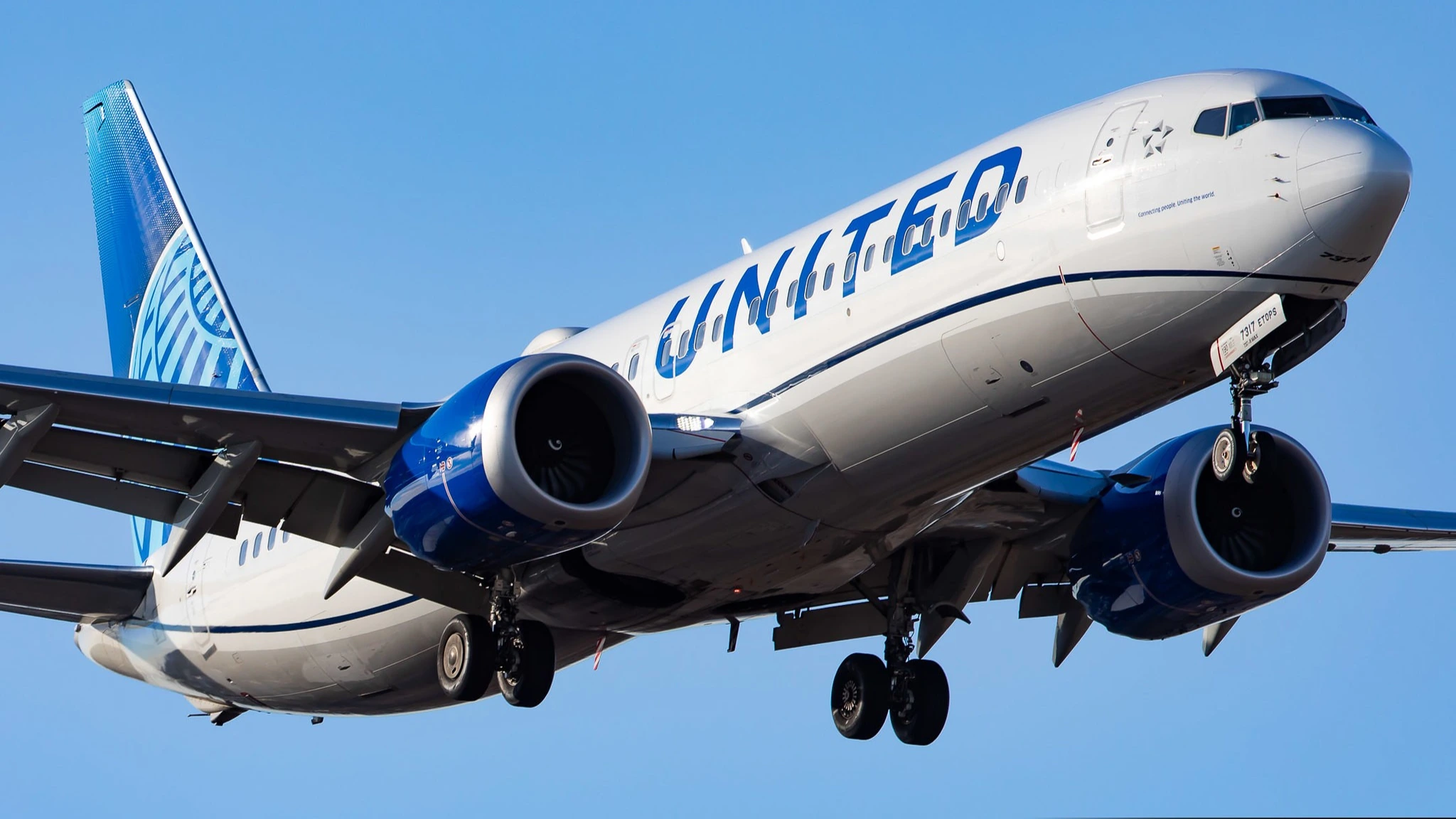
CHICAGO — Before take-off, the pilots of United Airlines flight UA471 did not agree with air traffic control (ATC) about their route. In the end, ATC gave them a different route, and the aircraft landed safely.
What happened before departure?
UA471 flies from San Antonio International Airport (SAT) to Washington Dulles International Airport (IAD). The aircraft was a Boeing 737-700. The report says that the event happened on a Friday, but it does not give the exact date.
Every flight needs a clearance from ATC. A clearance is permission to fly on a route. First, ATC gave the aircraft a route south of the severe weather. Then ATC proposed a new route. This route went through the heaviest rain and thunderstorms.
The aircraft pushed back from the gate and taxied towards the runway. At this time, the pilots asked questions about the new route. The pilot told ATC that the crew wanted to talk to United dispatch first. The pilots refused the new route. They said that the weather was very difficult and could affect the passengers and the crew.
In the radio recording, the pilot said that the new route could mean up to four hours of difficult weather. It could also add almost one hour to the flight. The flight usually takes two hours and 45 minutes.
Dispatch agrees with the pilots
The pilots talked to United's dispatch team about the weather and the possible routes. Dispatch agreed with the crew: the aircraft should not fly through the bad weather on the new route. So the pilots asked for their first route. This route goes south, around the thunderstorms.
ATC checked the request and approved a different route. Then ATC cleared the aircraft to fly around the worst weather.
Simple Flying contacted United on Saturday. The airline said that the flight landed safely.
The captain has the final word
This event shows the role of the pilot-in-command (PIC). US rules say that the pilot-in-command is responsible for the aircraft and makes the final decisions about it (14 CFR §91.3).
The FAA also says that a clearance from ATC does not make an unsafe flight OK. If a clearance can put the aircraft in danger, the pilot must ask for an amended (changed) clearance.
On airline flights inside the US, the pilot-in-command and the aircraft dispatcher share some responsibilities (14 CFR §121.533). Dispatchers watch flights and give safety information. If they or the pilot-in-command think that a flight is not safe, they can cancel it or redispatch it (change its flight plan).
In this case, the pilots asked questions about the new route, got support from dispatch and worked with ATC to find another route. This shows how pilots, airline teams and controllers can work together when the weather is dangerous.
United flights from San Antonio
United Airlines and United Express fly from San Antonio to several big US cities: Chicago (ORD), Denver (DEN), Houston (IAH), Newark (EWR), San Francisco (SFO) and Washington (IAD).
The UA471 event shows that teamwork is important when severe weather is on the planned route. ATC controls the movement of aircraft and gives clearances. But pilots are still responsible for the safety of their aircraft. When it is necessary, they must ask for a better route.