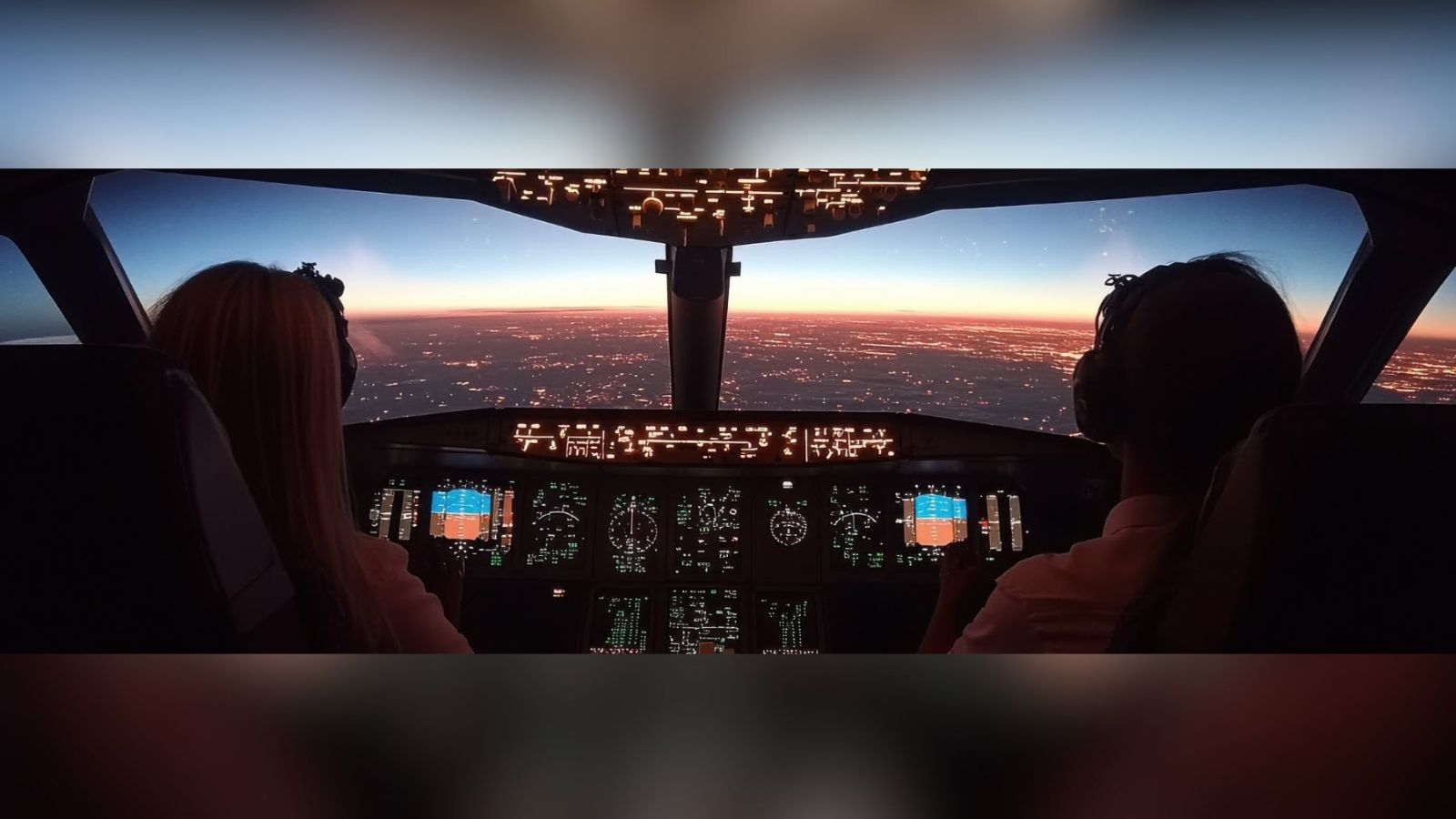
A new report by Baines Simmons looks at pilot fatigue in Europe. The report is called A fatigue survey of European Pilots – 2026. It uses answers from 7,200 European pilots. The report says that the situation is largely the same as in 2023.
Main findings
76.8% of the pilots had at least one microsleep while they were operating an aircraft. This was in the four weeks before the survey.
38.8% of the pilots say that they usually or always do not have enough rest to prevent cumulative fatigue.
37.2% of the pilots say that they usually report it when fatigue makes them unfit to fly. 24.2% say that they do not report it. They fly fatigued.
Why pilots do not report fatigue
Many pilots do not trust the airline reporting systems. They think the systems do not work well. Some pilots fly fatigued because they are afraid of a negative reaction from management.
In their own answers, 38.2% of the pilots wrote about fear of punishment from management after a fatigue report. 46.9% say that they flew fatigued because they were worried about the reaction of management. 44% did not want people to notice them.
Commander's Discretion
Commander's Discretion (CD) normally permits a flight-duty extension in exceptional circumstances. 38.3% of the pilots used CD at least once in the four weeks before the survey. 15.2% used it two times or more.
More pilots are now worried about refusing to use CD. In 2026, 69.1% of the pilots were worried about this to some degree. In 2023, it was 65.8%.
The worry was highest among pilots of low-cost airlines and ACMI or wet-lease operators. It was also high among pilots of airlines with an Air Operator Certificate (AOC) in Ireland and Malta. It was lowest in Germany and the Netherlands.
Differences between countries
Ireland and Malta were among the countries with the worst results in most parts of the survey. This was also the case in 2023. Finland and the Netherlands had much better results than the other countries.
The report says that safety culture and non-punitive CD processes are put into practice differently in different AOC countries and operator types. Europe put Just Culture into aviation regulation in 2014. But the report says that some operators do not always follow the principles of safety culture. This is especially true for fatigue management.
What people say
Capt. Tanja Harter is the President of the European Cockpit Association (ECA). She says that if the industry is serious about the safety risks of pilot fatigue, the numbers are a clear wake-up call for airlines, authorities and EASA. She points out that there has been no real improvement in three years. She says that something must change. She also says that pilots cannot manage this problem alone when they operate flights.
Capt. Coen George is an ECA Board Director. He says that no pilot should fly when fatigued.
He explains that when pilots worry that a fatigue report can hurt their careers, they stop reporting fatigue. Then the airline's fatigue statistics can look clean for the next authority inspection. But the risk is still in the cockpit, and the airline does not see the real size of its safety risks.
George also says that pilots feel pressure to extend duties because of delays or schedules that are too optimistic. He says that the ECA has told the aviation authorities about this many times, but it is still waiting for real action.
Ian Holder is the Managing Director of Baines Simmons. He says that the survey shows how pilots experience fatigue risk management. It shows what pilots say. It does not directly measure risk or safety results.
But the results have been similar for three years, and they are different in different countries and types of operators. Holder says that this shows operators and authorities where to focus their work. He also says that the results in Finland and the Netherlands show that a stronger reporting culture is possible.
What this means
Airlines need reporting systems that pilots trust. Pilots must be able to use them without fear of punishment. Without good reporting, operators may not see how much fatigue they have.
It is important for authorities to check how fatigue procedures work in practice. It is not enough to have formal policies.
EASA
EASA is now finishing its Best Intervention Strategy on Aircrew Fatigue. EASA's Article 89 report on socio-economic factors also looks at fatigue. In the ECR occurrence database, fatigue was present in almost 60% of safety-precursor-related occurrences in 2024.
Harter says that the findings should lead to changes in how airlines manage fatigue risks and how national authorities supervise operators. She wants stronger EASA regulations and proactive fatigue risk management. She also calls for enforcement of non-punitive fatigue reporting and of the use of Commander's Discretion.
The report says that the problems are now known. It asks for action, not another three years of waiting for a new study.